


Sight words are common words that children come across again and again when learning to read. Becoming familiar with these words can help reading feel smoother, particularly when children are also developing their phonics and decoding skills.
Some words are easy to sound out using familiar letter patterns, while others contain parts that may be less predictable. With regular practice, children can gradually learn to recognise these words more confidently when they appear in books and everyday reading.
What are sight words?
Sight words are words that a child can recognise quickly and automatically when reading. Many are common words that appear frequently in early books and classroom texts.
Some sight words can be decoded using phonics, while others contain a letter or sound pattern that may be less familiar to an early reader. Rather than relying only on memorisation, children can benefit from looking at the sounds and spelling patterns within the word and practising it in different contexts.
As children build their reading skills, becoming familiar with common words can help reading feel smoother and more fluent. When they can recognise these words quickly, they can spend less time working out each individual word and more time focusing on the meaning of the sentence.
Sight words are just one part of learning to read. Phonics, vocabulary, fluency and comprehension all work together to help children become more confident readers.
At Kinetic Education, sight words and other early literacy skills are supported as part of our English tutoring, with lessons matched to the areas your child needs to strengthen.
How do sight words help children learn?
When children can recognise common words quickly, reading can become smoother and more fluent. Instead of stopping to work out every word, they can focus more attention on understanding the sentence and the meaning of the text.
Building familiarity with sight words can also support confidence, particularly when children practise them alongside phonics, vocabulary and comprehension.
Types of sight words
Sight words can include:
- High-frequency words, such as it, can and will, which appear regularly in early reading.
- Words with less predictable spelling patterns, where part of the word may be more difficult for an early reader to decode.
Parents and educators may also come across commonly used high-frequency word lists such as the Dolch Sight Words and Fry Sight Words. These can be useful as a reference, but they are only one part of helping children build automatic word recognition alongside phonics and broader reading skills.
However, children do not need to memorise an entire list at once. Introducing a small number of words at a time and practising them through reading, spelling and sentences can make learning more manageable.
How to teach your child sight words:
- Introduce a few words at a time
Start with a small number of unfamiliar words so practice stays manageable. Look at the sounds and spelling patterns in each word, rather than asking your child to memorise the whole word straight away. - Review words regularly
Bring previously learned words back into later practice so your child has repeated opportunities to recognise and read them. - Practise words in different ways
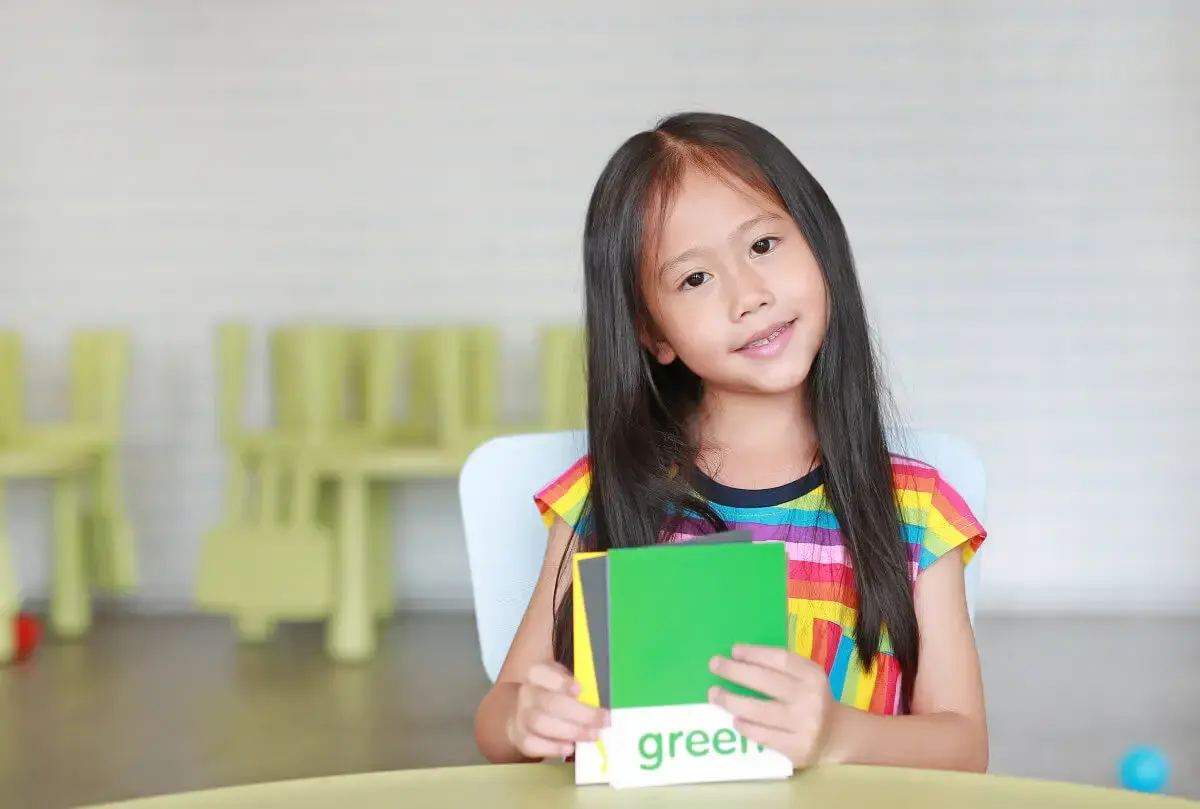
You might use flashcards, read the word aloud, spell it together or ask your child to find it in a book or sentence. Seeing the word in different contexts can help build familiarity. - Use words in sentences
Ask your child to read or create a simple sentence using the word. This helps connect word recognition with meaning and real reading. - Keep practice short
A few minutes of regular practice can be more manageable than a long session, especially for younger children.
How Kinetic Education Can Support Your Child’s Reading
Reading develops through a combination of skills, including phonics, word recognition, vocabulary and comprehension. If your child is finding sight words or other reading skills difficult, it can help to understand which areas need more practice.
With Kinetic Education, your child’s English skills are checked as they work through their lessons, and their weekly learning is matched to the areas they need to strengthen. Their tutor monitors their progress and provides support along the way.
This can help your child build their reading skills step by step and become more confident and independent over time.
Sight Words for Children: Frequently Asked Questions
What are sight words?
Sight words are words that a child can recognise quickly and automatically when reading. Many are common words that appear frequently in early books and classroom texts.
What age should children start learning sight words?
Children usually begin becoming familiar with common sight words in the early years of school as they develop phonics and reading skills. The exact timing can vary depending on the child.
How many sight words should my child practise at once?
A small number at a time is usually more manageable. Introducing a few new words while continuing to review familiar ones can help children build recognition gradually.
How can I help my child learn sight words at home?
Keep practice short and varied. You can read words aloud, look at their spelling patterns, use them in simple sentences and ask your child to spot familiar words while reading books together.
What if my child keeps forgetting sight words?
Some children need more repetition before words become automatic. Revisit the word in different contexts and continue supporting phonics, vocabulary and reading fluency rather than relying only on repeated memorisation.
Are sight words the same as high-frequency words?
Not exactly. High-frequency words are words that appear often in written text, while a sight word is any word a child can recognise automatically without needing to work it out each time.