



How to Improve Your Child’s Handwriting: 7 Practical Tips
Handwriting takes time to develop, and every child progresses at a different pace. If your child is finding handwriting difficult, a few small changes to how they practise can help make writing feel easier and more manageable.
Here are some practical ways you can support your child at home.
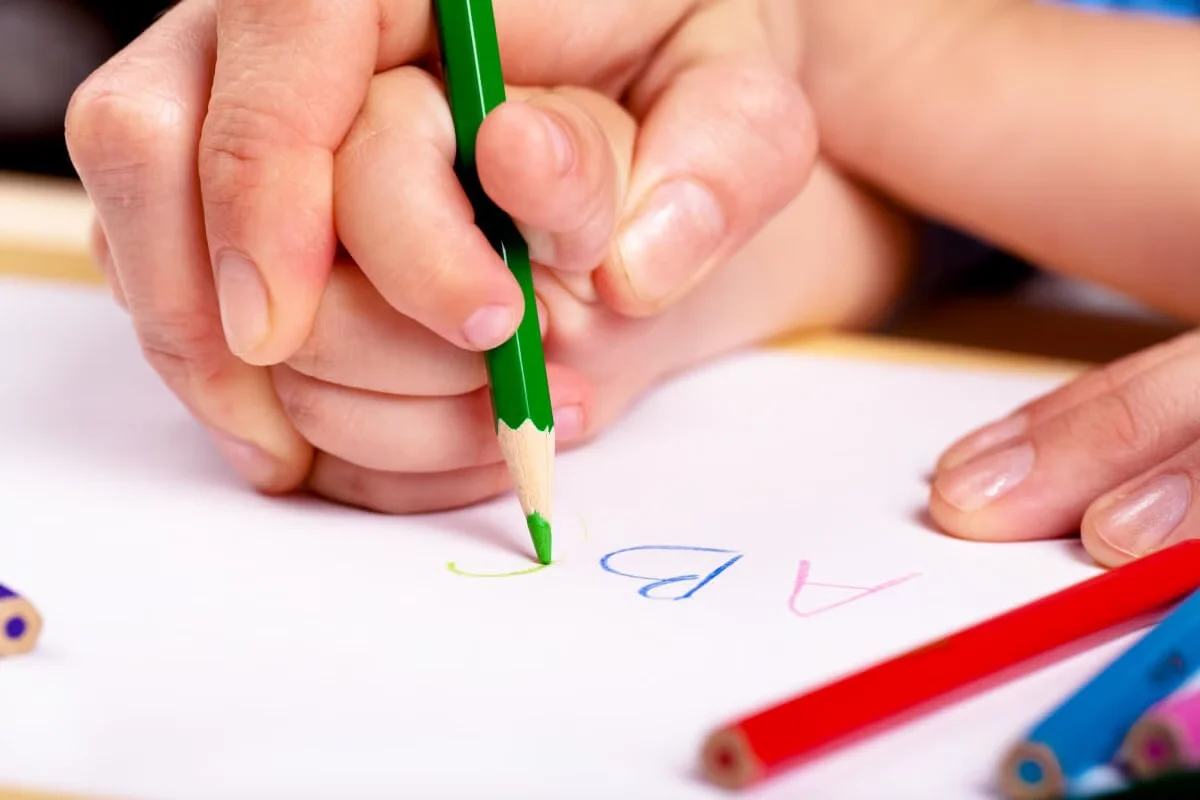
Check How Your Child Holds Their Pencil
A comfortable pencil grip can make writing easier to control. Rather than worrying about whether your child is holding their pencil in one exact way, look at whether their grip allows them to write comfortably and move the pencil without excessive effort.
If they are gripping the pencil very tightly, encourage them to relax their hand. Different pencil shapes, grips or slightly thicker pencils may also feel more comfortable for some children.
Make Sure They Are Comfortable When Writing
Good positioning can make a difference to handwriting. Encourage your child to sit comfortably with their feet supported and their paper positioned so they can see what they are writing easily.
It can also help to make sure they have enough room to move their writing arm freely rather than feeling cramped at the table.
Keep Handwriting Practice Short and Regular
Long handwriting sessions can quickly become frustrating, particularly for younger children.
Instead, try short periods of focused practice throughout the week. Even five or ten minutes spent working on letter formation, spacing or writing a few sentences can be useful.
Regular practice can help your child build confidence without handwriting beginning to feel like a chore.

Make Writing More Interesting
Handwriting practice does not always need to involve copying lines of letters or sentences.
Encourage your child to write about things they are interested in. They could:
- Write a shopping list
- Make a birthday card
- Write captions for drawings
- Keep a short journal
- Write a story or comic
- Make a list of their favourite games, animals or characters
Giving writing a purpose can make practising feel much more enjoyable.
Build Fine Motor Skills Through Other Activities
Handwriting relies on fine motor skills, including the small movements and coordination needed to control a pencil.
Activities such as drawing, colouring, using playdough, building with small blocks, cutting with scissors and doing craft activities can all give children opportunities to practise using their hands and fingers.
These activities can be particularly helpful for younger children because they develop useful skills without feeling like handwriting practice.
Focus on Progress Rather Than Perfect Handwriting
If your child is struggling with handwriting, encouragement can make a big difference.
Try noticing specific improvements rather than simply asking them to make their writing neater. You might point out that their letters are becoming more consistent, their spacing has improved or a particular word is easier to read.
Focusing on progress can help your child feel more confident and willing to keep practising.
Ask for Extra Support if Handwriting Is Becoming a Struggle
Some children simply need more time and practice, while others may benefit from additional support.
If handwriting is regularly causing your child frustration, discomfort or difficulty completing their schoolwork, speak with their teacher about what they are noticing in the classroom. They may be able to suggest additional strategies or recommend whether further support would be helpful.
Supporting Your Child’s English Skills
Handwriting is only one part of developing strong written communication skills. Children also need opportunities to build their spelling, grammar, vocabulary, reading comprehension and writing skills as they progress through school.
Kinetic Education provides personalised online English tutoring for children from Foundation to Year 12. Your child works through weekly lessons matched to the skills they need to strengthen, with support from a real Australian tutor who monitors their progress.
Handwriting Improvement FAQs for Parents
How can I help my child improve their handwriting at home?
Keep practice short, regular and encouraging. Focus on one area at a time, such as letter formation, spacing or keeping letters a consistent size. It can also help to make writing more meaningful by asking your child to write shopping lists, cards, labels, short stories or notes about things they enjoy.
How long should a child practise handwriting each day?
Short practice sessions are often more manageable than long ones. Around five to ten minutes of focused handwriting practice can be enough for younger children, especially when it is done regularly. If your child becomes tired or frustrated, it is usually better to stop and try again another time.
What activities can help improve handwriting skills?
Activities that build hand strength, coordination and fine motor skills can support handwriting development. Drawing, colouring, using playdough, cutting with scissors, building with small blocks and doing craft activities can all help. Writing for a real purpose, such as making a list or creating a card, can also make handwriting practice more enjoyable.
When should I be concerned about my child’s handwriting?
It may be worth speaking with your child’s teacher if handwriting is regularly causing frustration, pain or difficulty completing schoolwork, or if their writing is consistently very difficult to read. Their teacher can help you understand how they are managing in the classroom and whether any additional support may be useful.