
Does Online Tutoring Help Children with ADHD?
For some children with ADHD, traditional tutoring may not suit the way they learn best. Travelling to another location, working at a set time and sitting through a longer session can make it harder to stay engaged or get the most from the lesson.
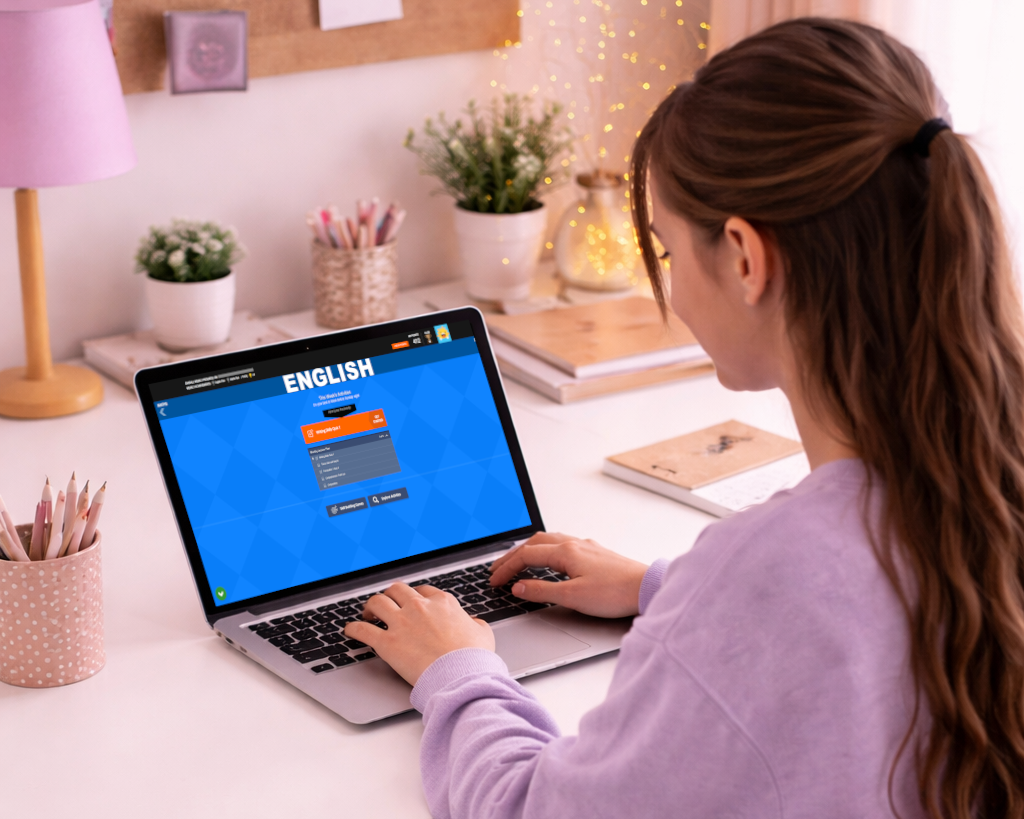
Online tutoring can offer a more flexible approach. Children can learn from home, complete shorter lessons and work at times that better suit their routine, energy and attention.
A child may understand the topic but still benefit from instructions being broken into smaller steps, extra time to get started or the option to pause and return to their work. The right online tutoring approach can provide this flexibility.
However, simply moving tutoring online does not automatically make it the right fit. The structure of the lessons, the level of personalisation and the support available all play an important role.
Learning in a familiar environment
One of the benefits of online tutoring is that children can complete their learning in a familiar space.
They do not need to travel to another classroom or adjust to a new environment. For some children with ADHD, removing that extra transition can make it easier to settle and begin.
Learning from home also gives families more control over the setup. A child may prefer working at the kitchen table, sitting on the couch with a laptop or choosing another spot where they feel comfortable. Families can try different options and see what helps their child feel ready to learn.
There is also more flexibility around timing. Some children may be ready to learn shortly after school, while others may prefer to have a snack or complete other tasks first. Online tutoring allows families to choose a time that better suits their child’s routine, energy and attention.
A familiar environment will not suit every child in the same way, but it can give families more freedom to create a routine that works for them.

Short lessons can feel more achievable
Many children with ADHD find that their attention is easier to direct during shorter, clearly structured activities than during one long tutoring session.
When a child expects learning to take an hour or more, it may feel difficult to begin. A shorter lesson can feel more approachable because there is a clear task and a clear finishing point.
Short lessons can also be spread across the week. Instead of completing all their tutoring in one long session, children can work through a few manageable activities on different days.
This can make it easier to build learning into the family routine. Completing one short activity at a time may also help children recognise what they have achieved rather than focusing on how much work is still left.
Short does not mean rushed. Children should still receive clear explanations, examples and opportunities to practise. The aim is to make each learning session focused, purposeful and manageable.
At Kinetic Education, lessons generally take around 20 minutes and can be completed at flexible times throughout the week.
Personalised learning can reduce frustration
Every child with ADHD learns differently. One child may need more time to process instructions, while another may understand a concept quickly but find it harder to stay with the task until it is finished.
Children can also have different strengths across Maths and English. They may feel confident with some skills but need more support with others. This is why tutoring based only on a child’s year level may not always be the best fit.
Personalised tutoring begins with what the child already understands and where they may need support. It can help them strengthen important skills without repeatedly completing work they have already mastered or moving ahead before they feel ready.
The learning can then change as the child progresses. They may spend more time practising a skill that needs further support or move on when they are ready for something more challenging.
When lessons are set at an appropriate level, children have more opportunities to understand what they are learning, recognise their progress and build confidence.
At Kinetic Education, each child follows a personalised Maths and English learning plan that is reviewed and adjusted as they progress.
Clear instructions can make learning easier to follow
Some children with ADHD may understand a topic but lose track when a task includes several instructions at once.
For example, a child may be asked to read a question, identify the important information, choose a method, show their working and check the answer. When all of these steps are presented together, it can be difficult to know where to begin.
Breaking learning into smaller steps can make the task easier to follow. Worked examples, visual prompts and clear explanations can also help children understand what is being asked before they attempt it independently.
This does not mean making the learning less challenging. It means presenting it in a way that allows the child to focus on one part at a time.
It can also be helpful when children are able to revisit an explanation or try a question again without feeling rushed. Online lessons can provide this flexibility, particularly when activities are designed to be paused and returned to when needed.
Real tutor support still matters
Online tutoring should not mean children are expected to work through every lesson on their own.
There may be times when they understand the topic but need a question explained in a different way. They may want to talk through their thinking, check that they have understood the instructions or receive reassurance before trying again.
Access to a real tutor gives children the opportunity to ask questions and work through difficult concepts with someone. A tutor can break the problem into smaller steps, show another method or help the child identify where their thinking became unclear.
For some children with ADHD, talking through a problem can make it easier to organise their thoughts and understand what the question is asking.
At Kinetic Education, students can contact a real Australian tutor for help with their Maths and English learning. They do not need to wait for a fixed weekly appointment before asking for support.
Tutors also monitor each child’s progress and use this information to help keep their personalised learning plan at the right level.
Helping children recognise their progress
Children with ADHD may regularly hear about unfinished work, missed instructions or answers they need to correct.
When these experiences build up, they can affect how a child feels about learning. They may begin to avoid difficult tasks, rush through their work or assume they will not understand before they have had the chance to try.
Tutoring can provide another space for children to practise, make mistakes and approach learning at a pace that feels more manageable.
Confidence does not usually change after one lesson. It develops gradually when children begin to understand concepts that once felt confusing, complete activities independently and see evidence of their own improvement.
Recognising effort can be important too. Asking for help, returning to a difficult question and trying a new strategy are all meaningful parts of learning.
Parents may also notice progress that is not immediately reflected in school results, such as less resistance to beginning, greater willingness to attempt unfamiliar work or more confidence talking about what they are learning.

What should parents look for in online ADHD tutoring?
Not every online tutoring service will suit every child. Parents may want to consider how the learning is structured rather than focusing only on whether it happens online.
Look for tutoring that:
- Personalises learning to the child’s current understanding
- Uses short, clearly structured lessons
- Allows some flexibility around when work is completed
- Explains concepts in more than one way
- Gives children access to real tutor support
- Provides parents with useful progress updates
- Recognises strengths, effort and improvement
It may take some time to understand which lesson length, routine and type of support suits your child best. What works well for one child with ADHD may not feel right for another.
How Kinetic Education supports children with ADHD
At Kinetic Education, children receive a personalised Maths and English learning plan based on what they already understand and where they may need support.
Lessons generally take around 20 minutes and can be completed at flexible times throughout the week. Children can pause, return to their work and contact a real Australian tutor when they need a concept explained differently or want to talk through a question.
Tutors monitor each child’s learning and adjust their plan as they progress. Parents also receive weekly updates showing what their child has completed, how they are progressing and what they will be working on next.
Families can begin with two weeks free to explore whether Kinetic Education’s online tutoring approach feels right for their child.
This version keeps Kinetic Education mostly in the short practical examples and the final section, while the main body remains an informative guide for parents. It should feel much less like an advertisement while still naturally leading into the form at the bottom of the page.