


With lockdowns, restrictions, and closures happening all over the world, schools in Australia are still navigating the requirements. Students do need to practise good hygiene and there is still a good amount of in-class learning.
However, it's inevitable that parents be prepared to, at a moment's notice, pivot to entirely virtual classes because the pandemic still remains a fluctuating situation. Now, the key to remote learning tips for parents is to remember that no matter what, you won't be able to match a teacher's expertise nor their abilities.
Nor should you try to. Instead, use these 10 learning tips for parents of online learners to support your child's learning.
Set and keep a schedule
Kids need a schedule that will mimic their learning environment at school and give them clear boundaries for the rest of the day. They should also be able to learn at points where their energy is most geared towards focus and concentration.
Create a daily structure and plan
Following the setting and keeping of a schedule, parents can help guide kids in creating a daily plan for what they want to focus on and study. They can make a checklist or block of periods of time where they decide to work on a project. That way, kids know how to reasonably allocate their time.
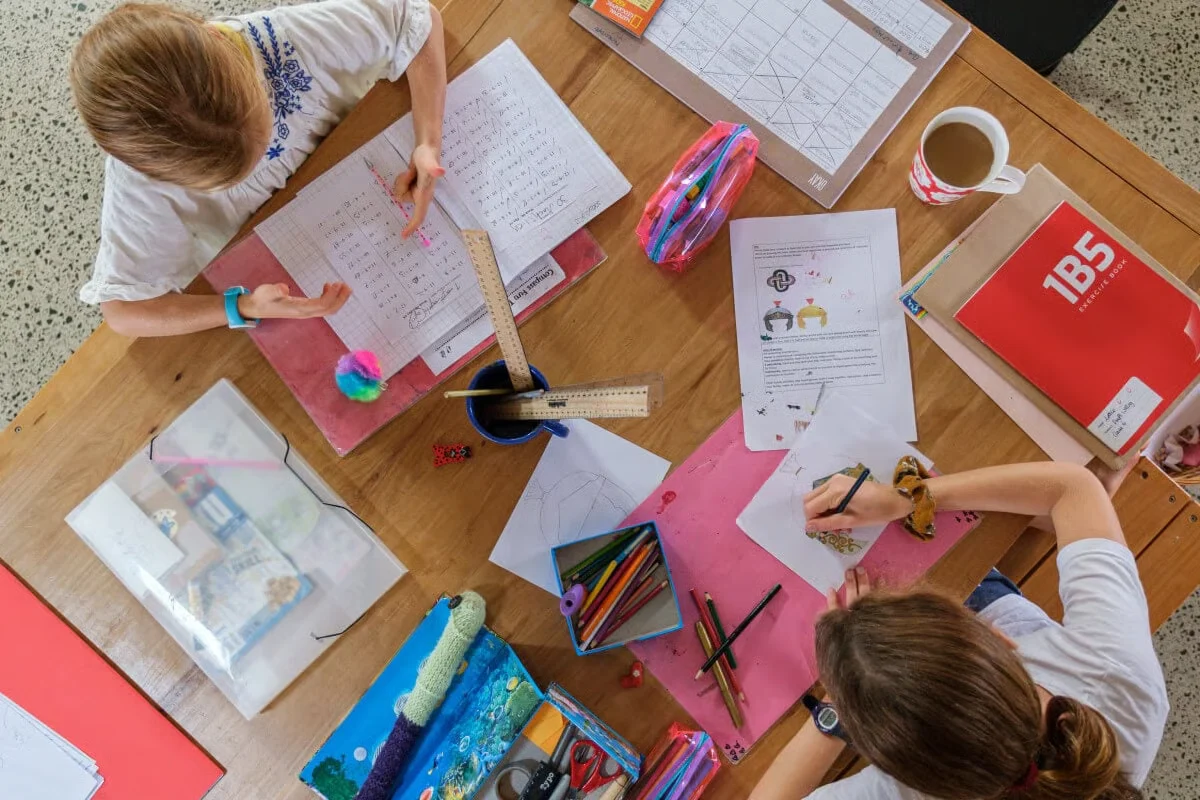
Set up a space conducive to learning
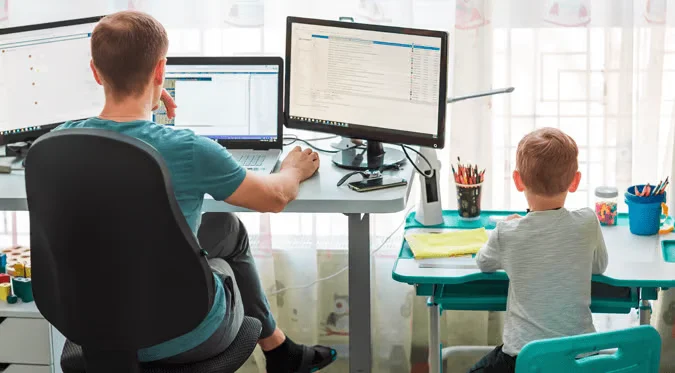
Next in the series of remote learning tips for parents is setting up a space designed to motivate your child. This gives them a ‘place’ to go to every day and it allows them to associate this space with learning.
When you set this space up, make sure it's:
- Well-lit
- Has comfortable seating
- Has the right temperature
- Is clutter-free
- Has a clock and calendar around
- Has no distractions (such as noise, pets, or phones)
Incorporate movement
As important as it is to sit and focus, it's just as important to get up and get moving. Children older than 6 flourish with at least an hour of physical activity per day. This is why kids have recess, remember?
So, during these breaks, you can allow your kids to:
- Have walks and casual play outside
- Play skipping rope or some footy
- Do some yoga
- Play tag
Monitor ongoing learning
Kids need your help when they're distance learning or learning online. But as part of these remote learning tips for parents, you should know that you can't do their work for them.
Instead, parents should aim to monitor or facilitate their ongoing learning. This could include:
- Using prompting questions
- Encourage them to sit with the questions or challenge them to look at it in a different way Realize that your child has access to a range of support including tech help and psychological motivation
A parent's role is that of a facilitator, not a tutor
Too often, parents try to be tutors, but, the fact is, they don't need to do this. The parent-child dynamic is just as important as the teacher-child relationship. So you might consider working with a tutor to provide academic support that actually supplements online learning.
In other words, you can point them in the right direction, but you shouldn't be creating lesson plans. That's the job of tutors, such as those at Kinetic Education. Tutors combine technology and personalized lesson plans to deliver a learning experience that aligns with a child's specific progress. So while kids can ask you questions, you don't need to assume the role of an educator.
Online learning is about the child, not the work
While the structure and daily plan tells kids what to do, remember (and remind them) that their progress is about their learning. They shouldn't be worrying about productivity or checking things off the list.
Identify the barriers
Barriers, as teachers well know, are a result of diagnostic teaching. You may be surprised to learn what actually counts as a ‘barrier.’ For example, some kids need a lot of structure while some kids suffer under too much. Others actually want you to micromanage and ‘finger wag,’ while others are perfectly fine working independently.
You'll see these patterns over time, so make sure to keep track and find solutions.
Use the right supports and resources
There are plenty of online and homeschooling resources that you can access to help enhance your child’s learning. You can even use these resources to help them plan some downtime for reading.
Gamify the learning
As an added bonus, you can keep your kids engaged by ‘gamifying’ their lessons. For example, if they finish a unit or complete an online quiz with a certain percentage, you can reward them with extra time doing their favourite activity once learning is done.
Conclusion
As you can see, there are many adjustments and improvements parents can make to help their children through online learning. These remote learning tips for parents work best when their child (or children) practise them over time. As routines become more expected, children will have an easier time with online learning.
At Kinetic Education, our online tutors provide this same kind of structure, coupled with a weekly plan, that allows for a child's personal progress.
Supporting Your Child with Online Learning: FAQs
How long should children spend on online learning at one time?
This depends on the child’s age and attention span. Shorter, focused sessions can often feel more manageable than trying to complete a large amount of work at once. At Kinetic Education, children usually complete short activities of around 20 minutes across the week.
How can I keep my child motivated when learning online?
Clear goals, manageable activities and recognising effort can all help. Some children also respond well to rewards or earning points as they complete their learning.
What should I do if my child keeps getting stuck with online learning?
Repeated difficulty may mean the work is not at the right level or that an earlier skill needs strengthening. Rather than simply encouraging them to keep trying the same task, it can help to identify what is causing the difficulty and provide support from there.
Should parents sit with their child during online learning?
Not necessarily. It can be helpful to get your child started and make sure they understand what to do, but giving them opportunities to work independently can help build confidence over time.